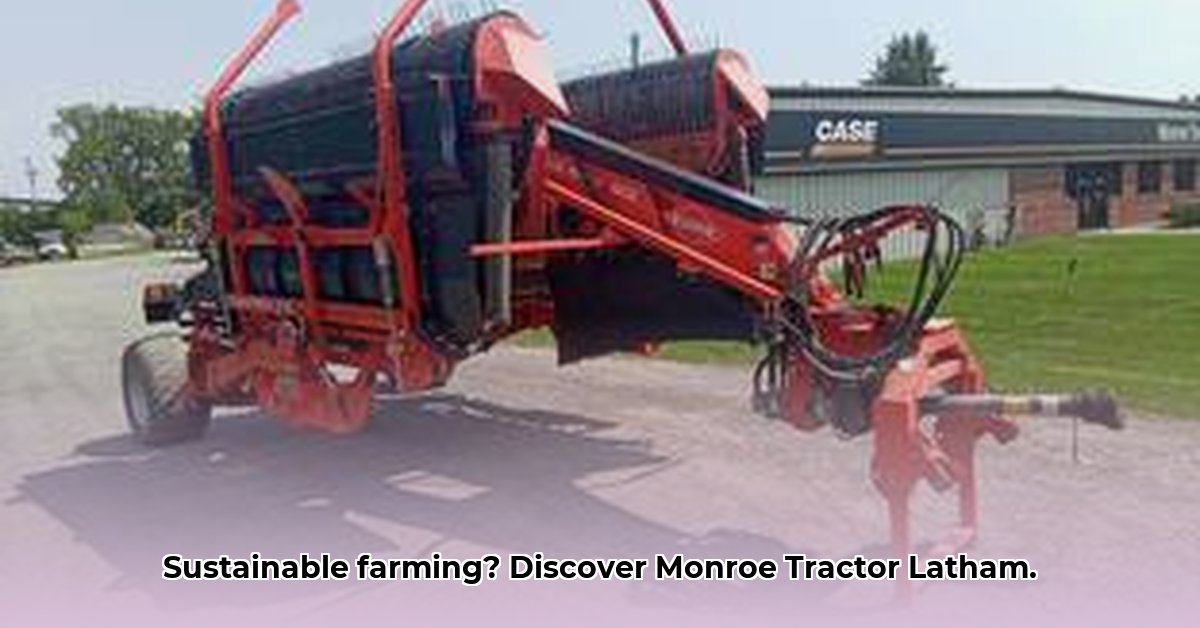
Monroe Tractor Latham (MTL) operates across the Northeast, providing equipment and expertise to farmers striving for sustainable practices. This case study analyzes MTL's strengths, weaknesses, and opportunities for improvement within the context of the region's unique agricultural challenges. We will explore how MTL supports sustainable farming, identify challenges it faces, and propose actionable strategies for enhanced performance. For more information on MTL's Syracuse location, visit their website: Syracuse MTL.
MTL's Current Operations: A Regional Perspective
MTL's 18 locations across several Northeast states offer farmers readily accessible service and support. This extensive network is crucial for minimizing downtime, a critical factor in maximizing yields and promoting sustainable practices. However, this broad reach also introduces complexities.
Service and Support: Speed and Efficiency
MTL prioritizes rapid repair times, employing factory-trained mechanics and maintaining a substantial parts inventory. This emphasis on swift service is vital for maintaining farm productivity. However, the speed of repairs is directly correlated to parts availability. How can MTL further enhance response time and ensure consistent service across its geographically dispersed network?
Supply Chain and Logistics: Meeting the Demands of a Wide Area
MTL's large parts inventory is strategically important, yet external supply chain vulnerabilities pose risks. Delays and unforeseen shortages can disrupt farm operations. Moreover, reaching remote farms presents logistical challenges that impact response times. What strategies can MTL employ to mitigate supply chain risks and optimize its logistics to consistently meet the varied needs of its extensive client base? Their success hinges on effective inventory management and a resilient supply chain.
Equipment and Sustainability: Empowering Farmers with the Right Tools
MTL offers a diverse selection of new and used equipment from leading brands like CASE, Case IH, and CLAAS. This variety caters to farmers with diverse needs and budgets, supporting efficient resource utilization and sustainable farming methods. However, the range of equipment increases the complexity of parts inventory management, requiring efficient strategies to balance inventory levels with fluctuating demand across diverse farming operations.
Challenges and Opportunities: Navigating the Path to Growth
MTL faces several crucial challenges in its journey toward sustainable growth. Addressing these challenges will directly influence its long-term success and its ability to effectively support sustainable agricultural practices:
Optimizing Parts Supply and Logistics
MTL must develop robust strategies to mitigate supply chain disruptions and ensure timely part delivery to all locations. Investing in advanced logistics technologies, predictive analytics, and exploring alternative suppliers can improve responsiveness and reduce downtime.
Embracing Technological Advancements
Investing in predictive maintenance technologies can significantly reduce equipment downtime and improve operational efficiency. These technologies can analyze equipment data to predict potential failures, allowing for proactive maintenance and minimizing unexpected breakdowns. Furthermore, partnerships with technology companies specializing in precision agriculture can help MTL integrate more sustainable and efficient farming tools into its portfolio.
Enhancing Farmer Training and Support
MTL's commitment to providing farmer training on equipment usage and efficient practices is commendable. Expanding these training programs to include sustainable farming methods and the effective use of new technologies is critical to fully supporting its clients' transition to more sustainable operations. The adoption of these best practices could significantly impact overall environmental impact and resource efficiency.
Actionable Recommendations: A Strategic Roadmap for Sustainable Growth
To achieve its goals, MTL should implement the following strategies:
Implement a robust supply chain risk management system: This involves diversifying suppliers, establishing strategic partnerships, and building buffer stock for essential parts. (Target: Reduce parts-related downtime by 15% within 1 year).
Invest in predictive maintenance technologies: Implement data analytics and machine learning to predict equipment failures and schedule preventative maintenance. (Target: Reduce unplanned downtime by 20% within 2 years).
Expand farmer training programs: Develop comprehensive training programs focusing on sustainable farming techniques and the optimal utilization of new technologies. (Target: Increase farmer adoption of sustainable practices by 30% within 3 years).
Develop strategic partnerships with technology providers: Collaborate with technology companies to offer cutting-edge precision farming solutions and integrate sustainable technologies into MTL’s service offerings. (Target: Introduce 5 new sustainable technologies within 3 years).
Optimize logistics and distribution: Use route optimization software and efficient transportation strategies to ensure rapid parts delivery to all locations. (Target: Improve average parts delivery time by 20% within 1 year).
Conclusion: A Sustainable Future for Northeast Farming
Monroe Tractor Latham is well-positioned to play a vital role in shaping the future of sustainable agriculture in the Northeast. By addressing the challenges outlined in this case study and diligently implementing the recommendations above, MTL can further strengthen its position as a leader in providing reliable equipment, expertise, and support to the region's farmers. Continued commitment to innovation, adaptation, and collaboration with farmers, government agencies, and technology companies will ensure MTL's continued success in supporting a thriving and sustainable agricultural ecosystem.